
IMAGES TAKEN NEAR TO
Hafod, WREXHAM, LL14 6HF
Introduction
This page details the photographs taken nearby to Hafod, LL14 6HF by members of the Geograph project.
The Geograph project started in 2005 with the aim of publishing, organising and preserving representative images for every square kilometre of Great Britain, Ireland and the Isle of Man.

There are currently over 7.5m images from over14,400 individuals and you can help contribute to the project by visiting https://www.geograph.org.uk
Image Map
Images are licensed for reuse under creativecommons.org/licenses/by-sa/2.0
Notes
- Clicking on the map will re-center to the selected point.
- The higher the marker number, the further away the image location is from the centre of the postcode.
Image Listing (13 Images Found)
Images are licensed for reuse under creativecommons.org/licenses/by-sa/2.0
Image
Details
Distance

2

Footpath and track crossing A483
The track leads to the sewage works
Image: © David Smith
Taken: 23 Apr 2015
0.10 miles
3
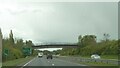
Bridge over A483 near Rhosllanerchrugog
Image: © Alpin Stewart
Taken: 7 May 2021
0.10 miles
5
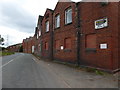
Former brickworks buildings on Hafod Road
Image: © Eirian Evans
Taken: 26 Jul 2016
0.10 miles
6
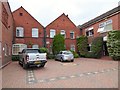
Offices at Dennis Ruabon Tile Manufacturers
Image: © Eirian Evans
Taken: 26 Jul 2016
0.12 miles
7
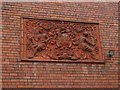
Red tile coat of arms at Dennis Ruabon Brick Works
With the motto "Industria Ditat" - Industry Enriches. Workers produced massive amounts of terracotta at Dennis Ruabon brickworks, once earning the Wrexham village of Ruabon the nickname Terracottapolis. The famous red bricks have been used in lots of Liverpool buildings such as Liverpool University. And the famous Dennis Ruabon tile factory has been playing the biggest part in leaving this distinctive mark across the urban landscape since Victorian times.
For Dennis Ruabon it all began with the discovery of vast quantities of high quality Etruria Marl clay in the Ruabon area in the 19th Century heralded the beginning of tile and terracotta production on a vast scale. By the time of his death in 1906, Dennis had established himself as a giant of the industry, ensuring that his firm - and the name of Ruabon - had been forever cemented in British architectural history.
In 1944, Dennis's grandson, Patrick Gill Dyke Dennis, took control and launched a modernisation programme. By the end of the 1970s, brick production had largely ended, and the company concentrated its efforts on making quarry tiles.
https://www.derelictplaces.co.uk/main/industrial-sites/21901-dennis-ruabon-tiles-wrexham-april-2012-a.html#.W8RLS_ZFw2
Image: © Eirian Evans
Taken: 26 Jul 2016
0.12 miles
8
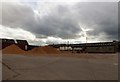
Yard at Dennis Ruabon Tile Manufacturers
Heaps of red marl used in the manufacture of the distinctive terracotta tiles
Image: © Eirian Evans
Taken: 26 Jul 2016
0.16 miles
9
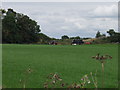
Gathering bales in fields at Hafod House Farm
A series of long narrow fields cut off by the new A 483, one of the fly-overs can be seen top right.
Image: © John Haynes
Taken: 17 Sep 2005
0.19 miles
10
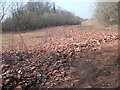
Reject tiles from Ruabon Brickworks
Masses of reject tiles and bricks in the area of the works that is now being allowed to grow wild.
Image: © John Haynes
Taken: 24 Mar 2012
0.23 miles