IMAGES TAKEN NEAR TO
Carronshore Road, FALKIRK, FK2 8DZ
Introduction
This page details the photographs taken nearby to Carronshore Road, FK2 8DZ by members of the Geograph project.
The Geograph project started in 2005 with the aim of publishing, organising and preserving representative images for every square kilometre of Great Britain, Ireland and the Isle of Man.

There are currently over 7.5m images from over14,400 individuals and you can help contribute to the project by visiting https://www.geograph.org.uk
Image Map
Images are licensed for reuse under creativecommons.org/licenses/by-sa/2.0
Notes
- Clicking on the map will re-center to the selected point.
- The higher the marker number, the further away the image location is from the centre of the postcode.
Image Listing (17 Images Found)
Images are licensed for reuse under creativecommons.org/licenses/by-sa/2.0
Image
Details
Distance
1
Carronshore Road
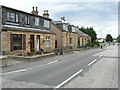
The central one of these three houses in Carronshore Road, Carron, is called "Keswick Cottage". It was so named by the man who had it built. He had been unable to pay for the honeymoon in the Lake District that his fiancee had asked him for but years later named this, the first home they owned, "Keswick" in a form of compensation. (Not many people know this but I happen to, as he was my paternal grandfather, who was head pattern-maker in the Carron Iron Works which at that time was just a few hundred yards behind the camera position.)
Image: © James Allan
Taken: 8 Jul 2006
0.01 miles
2
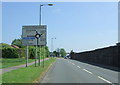
Stenhouse Road approaching Carron Roundabout
Looking east.
Image: © JThomas
Taken: 25 May 2017
0.15 miles
4
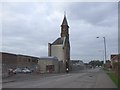
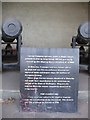
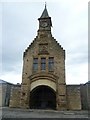
Carron Works clocktower
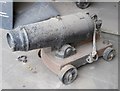
This isolated clocktower is all that remains of the old stone buildings of the Carron Company's works. The base of the tower contains a display of cannon made by the company, the "carronade".
Image: © John Lord
Taken: 25 Sep 2008
0.20 miles
7
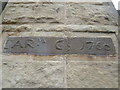
Blast furnace relic, Carron Works
Dated iron lintel from the first operational blast furnace at the Carron Works, embedded in the wall of the old clocktower entrance.
Image: © kim traynor
Taken: 12 Aug 2010
0.21 miles
8
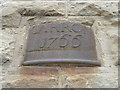
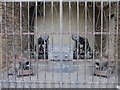
James Watt steam engine relic, Carron Works
A fragment of the main cylinder of James Watt's first operational steam engine, embedded in the wall of the old clocktower entrance to the Carron Works.
Image
Image: © kim traynor
Taken: 12 Aug 2010
0.21 miles
9
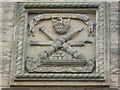
Sculpted tablet, Carron Works clocktower
The trademark of the Carron Company above the old entrance to the ironworks.
http://en.wikipedia.org/wiki/Carron_Company
"Carron iron-works lie about a mile from Falkirk, and are the greatest of the kind in Europe: they were founded about eight years ago, before which there was not a single house, and the country a mere moor. At present, the buildings of all sorts are of vast extent, and above twelve hundred men are employed. The iron is smelted from the stone, then cast into cannon, pots, and all sorts of utensils made in founderies. This work has been of great service to the country, by teaching the people industry and a method of setting about any sort of labour, which before the common people had scarce any notion of." -- Thomas Pennant, A Tour In Scotland 1769
Robert Burns was less complimentary after being refused admittance to the works in 1787.
Using a diamond, he scratched these lines on a window of the local inn:
We cam na here to view your works,
In hopes to be mair wise,
But only, lest we gang to hell,
It may be nae surprise:
But when we tirl'd at your door,
Your porter dought na hear us;
Sae may, shou'd we to hell's yetts come,
Your billy Sattan sair us!
[We came not here to view your works
In hopes to be more wise,
But only, lest we go to Hell,
It may be no surprise.
But when we knocked at your door
The porter could not permit us:
So may, should we to Hell's gates come,
Your fellow Satan serve us.]
Image: © kim traynor
Taken: 12 Aug 2010
0.21 miles