
Hawthorn, Tuckingmill
Introduction
The photograph on this page of Hawthorn, Tuckingmill by Maigheach-gheal as part of the Geograph project.
The Geograph project started in 2005 with the aim of publishing, organising and preserving representative images for every square kilometre of Great Britain, Ireland and the Isle of Man.

There are currently over 7.5m images from over 14,400 individuals and you can help contribute to the project by visiting https://www.geograph.org.uk
Hawthorn, Tuckingmill
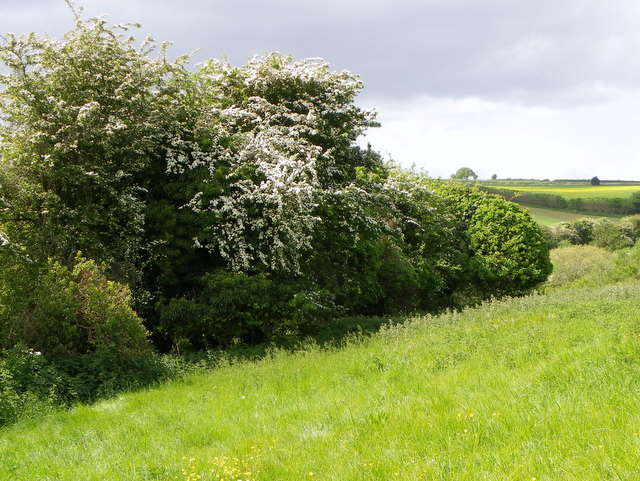
Image: © Maigheach-gheal Taken: 12 May 2011
Hawthorn is a small rough tree that is also known as May. It brightens the hedgerows in spring with a foam of white, scented blossom followed by red berries. It has a ridged trunk and coarsely toothed leaves. If the tree is left unpruned it can reach 50 feet in height. Hawthorn berries also have a long history of use as a heart tonic and have been used for centuries to aid circulation. The Greeks used them primarily for heart disorders, while the Chinese used them for both digestive and circulatory problems. The toxicity count of Hawthorn berries is quite low and only becomes evident in large doses, which makes it a relatively harmless heart tonic that produces good results in many associated conditions.
Images are licensed for reuse under creativecommons.org/licenses/by-sa/2.0
Image Location

Latitude
51.065426
Longitude
-2.09428